
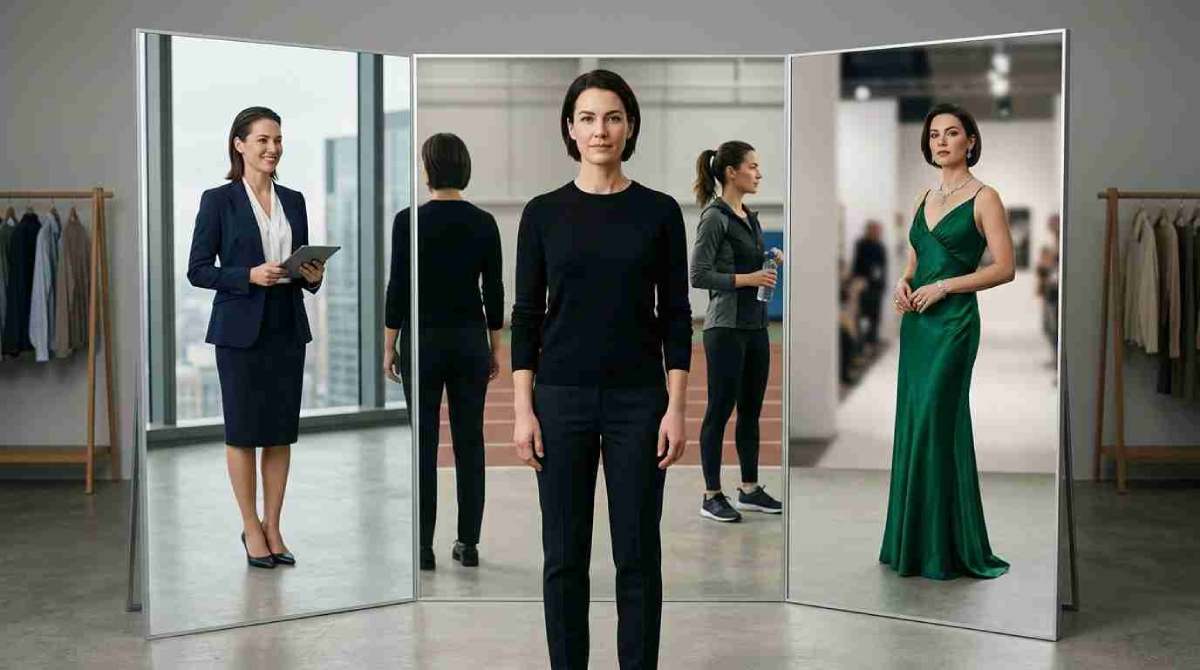
The way talent agencies pitch clients for campaigns is undergoing a major shift, one that is not loudly discussed, but increasingly visible in results. What was once a process dependent on static portfolios, reference decks and subjective imagination is now becoming highly visual, data-driven and almost instantaneous.
At the center of this transformation is Face Swap image generation, a capability that allows agencies to place a client’s face directly into campaign concepts before a single photo is shot.
This is not just a creative enhancement. It is fundamentally changing how agencies communicate value, how brands make decisions, and how talent is positioned in an increasingly competitive market.
The Traditional Problem with Talent Pitching
For decades, talent agencies have relied on a familiar toolkit:
- Portfolios showcasing past work
- Mood boards reflecting campaign direction
- Verbal explanations of “fit”
- Occasional test shoots
While effective to a degree, this approach has always had a critical limitation:
clients are expected to imagine the final outcome.
This creates several friction points:
- A model’s portfolio may not align with the campaign’s aesthetic
- Brands struggle to visualize talent in their specific context
- Multiple rounds of feedback slow down decision-making
- Test shoots increase cost and timelines
In a fast-moving advertising environment, these inefficiencies can cost agencies opportunities.
The Shift to Visual-First Pitching
To eliminate this gap, agencies are adopting a visual-first pitching approach using Face Swap AI.
Instead of relying on imagination, agencies now create realistic previews of campaigns featuring their talent. This allows brands to evaluate options based on near-final visuals rather than assumptions.
This is where platforms like Higgsfield are becoming essential.
Using Higgsfield, agencies can generate high-quality face swaps that seamlessly integrate talent into campaign references or mock creatives.
This transforms a pitch from a static presentation into a visual simulation of the final campaign.
How Face Swap Image Generation Works in Agency Workflows
The use of Face Swap in talent pitching is not random, it follows a structured workflow designed for speed and clarity.
1. Campaign Brief Analysis
Everything begins with understanding the campaign in detail:
- Brand identity and tone
- Target audience demographics
- Visual direction and references
- Platform requirements (digital, print, social)
This step ensures that any generated visuals align closely with the brand’s expectations.
2. Expanded Talent Shortlisting
Traditionally, agencies would narrow down to a few candidates early. With Face Swap image generation, that limitation no longer exists.
Agencies can now:
- Shortlist a broader pool of talent
- Include emerging or unconventional faces
- Experiment with diverse profiles
This expands creative possibilities without increasing production costs.
3. Face Swap Image Generation
This is the core step where the transformation happens.
Using tools like Higgsfield, agencies:
- Take campaign reference images or draft creatives
- Replace original faces with selected talent
- Generate realistic visuals that maintain:
- Lighting consistency
- Skin tones and textures
- Angles and perspective
- Overall composition
The output is not a rough mockup, it is often close to what the final campaign could look like.
Higgsfield makes it possible to create multiple variations quickly, allowing agencies to explore different directions without additional resources.
4. Multi-Option Visual Presentation
Instead of presenting a single recommendation, agencies now provide:
- Side-by-side comparisons of multiple talent options
- Visual scenarios tailored to different campaign angles
- Variations based on styling or audience segments
This gives clients a clearer, more confident basis for decision-making.
5. Rapid Iteration and Feedback
One of the biggest advantages of Face Swap workflows is speed.
Based on client feedback, agencies can:
- Swap additional faces
- Adjust visual tone
- Test alternative directions
All of this can happen within hours rather than days or weeks.
Why Talent Agencies Are Adopting This Approach
1. Faster Pitch Turnaround
Speed is a major competitive factor. Agencies that respond quickly with high-quality visuals are more likely to win pitches.
Face Swap AI allows agencies to:
- Reduce preparation time
- Deliver polished presentations faster
- Keep up with tight campaign deadlines
2. Stronger Client Confidence
When clients can see realistic outcomes, uncertainty decreases.
Instead of asking:
“Will this talent work?”
They can evaluate:
“How well does this look in the campaign?”
This shift leads to quicker approvals and fewer revisions.
This shift toward more visual and personalised pitching is also backed by broader industry trends. According to McKinsey, companies that excel at personalisation generate up to 40% more revenue than their competitors, highlighting why agencies are investing in advanced visual tools to improve pitch outcomes.
3. Cost Efficiency
Traditional pitching methods often involve:
- Test shoots
- Studio bookings
- Styling and production costs
Face Swap image generation removes these early-stage expenses by enabling agencies to reuse existing assets.
4. Better Talent Positioning
One of the most powerful benefits is the ability to reposition talent visually.
For example:
- A new model can be presented in a premium campaign setting
- A commercial actor can be visualized in a high-fashion context
- Talent can be matched to campaigns outside their previous work
Higgsfield enables agencies to present talent based on potential, not just history.
The Strategic Advantage of Higgsfield
As agencies integrate Face Swap into their workflows, platforms like Higgsfield are becoming central to execution.
Higgsfield supports:
- High-quality, realistic image generation
- Fast processing for multiple variations
- Consistent output across different campaign styles
This allows agencies to maintain creative standards while increasing efficiency.
In competitive pitching scenarios, the ability to generate compelling visuals quickly can be the difference between winning and losing a client.
Why This Practice Remains Under the Radar
Despite its effectiveness, Face Swap usage in talent pitching is rarely discussed openly.
Key reasons include:
- Competitive edge: Agencies gain a clear advantage and prefer to keep workflows private
- Perception concerns: Clients may still associate AI-altered visuals with inauthenticity
- Industry transition: The practice is still evolving and not yet standardized
As a result, it is widely used but quietly.
The Impact on Talent and Casting Dynamics
The adoption of Face Swap is not just changing pitching, it is reshaping casting itself.
Increased Opportunities
- Talent can be considered for a wider range of campaigns
- Emerging faces gain visibility without large portfolios
More Competitive Selection
- Clients can review more options quickly
- Decisions become more visual and data-driven
Shift Toward Visual Fit
Casting decisions are increasingly influenced by:
- How well talent aligns with campaign aesthetics
- Not just their past experience or recognition
Limitations and Considerations
While Face Swap image generation offers clear advantages, it is not without challenges.
1. It Does Not Replace Real Performance
Face Swap works for visualisation, but it cannot replicate:
- Acting skills
- Movement
- On-set presence
2. Ethical and Legal Responsibility
Agencies must ensure:
- Talent consent for image usage
- Transparent communication about mockups
- Responsible representation
3. Risk of Over-Reliance
Focusing too much on visual fit could overshadow:
- Personality
- Brand alignment
- Long-term suitability
The Future of Talent Pitching
Face Swap image generation is likely to become a standard tool in agency workflows.
Future developments may include:
- Real-time visual pitch interfaces
- Interactive client presentations
- Integration with audience testing and performance data
- AI-driven recommendations for talent selection
Campaign pitching will evolve from static presentations to dynamic, immersive experiences.
Final Thoughts
Talent agencies have always been storytellers, convincing brands that a particular face can bring a campaign to life.
Face Swap image generation changes how that story is told.
Instead of relying on imagination, agencies can now present clear, visual proof of concept.
With tools like Higgsfield, pitching becomes:
- Faster
- More precise
- More persuasive
And while this shift may still be happening behind the scenes, it is redefining how talent is presented, how decisions are made, and ultimately how campaigns are won.