
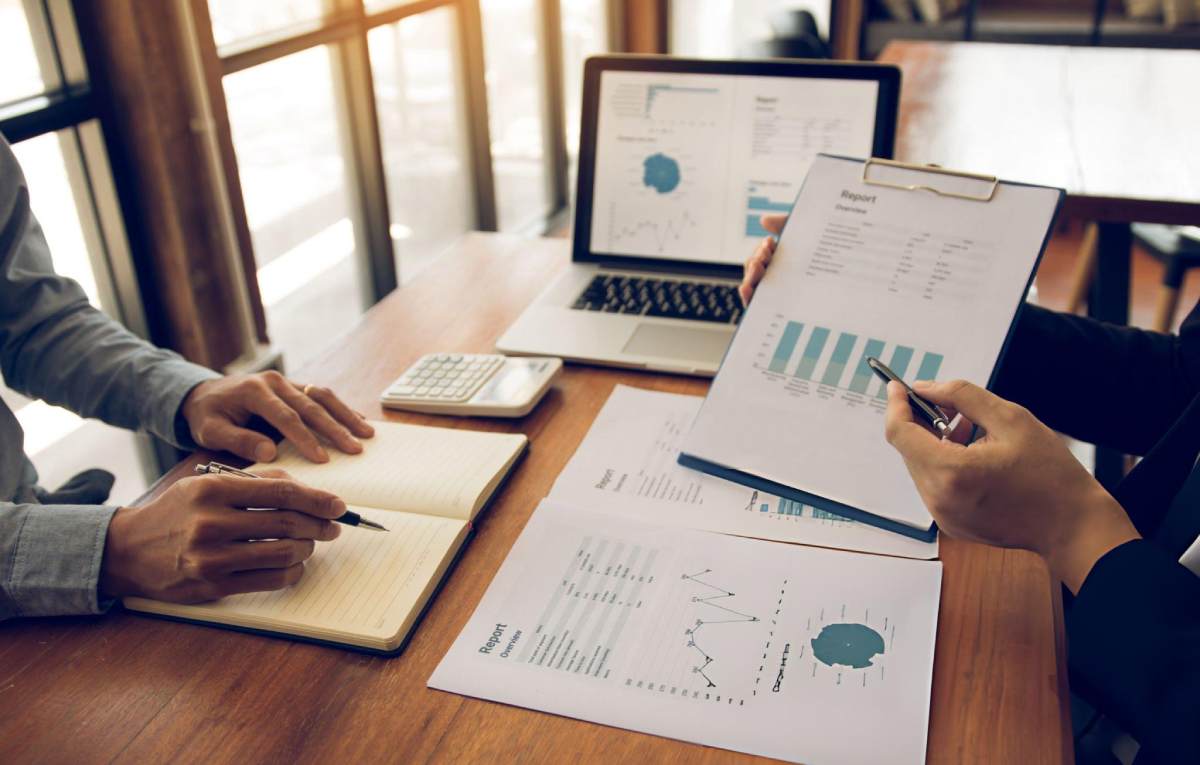

What is Paper trading is the bridge between financial theory and real-world execution. Whether you are a beginner looking to understand market mechanics or a veteran testing a complex new strategy, this practice provides a safe, controlled environment to hone your skills.
1. What is Paper Trading?
Historically, traders would manually record their hypothetical buy and sell choices on a piece of paper to track potential gains or losses. Today, this has evolved into sophisticated electronic simulators provided by online brokers and platforms like the Investopedia Simulator or TradingView.
- Virtual Funds: Most platforms provide a starting balance (e.g., $100,000) of “fake money” to trade.
- Real-Time Data: Modern simulators use live market price feeds, ensuring your “practice” trades reflect actual market movements.
- Risk-Free environment: Since no real money is used, you cannot lose your savings, regardless of how your trades perform.
2. Key Benefits of Paper Trading
Paper trading is more than just a game; it is a critical diagnostic tool for your trading career.
- Risk-Free Learning: It eliminates the fear of loss, allowing beginners to experiment with different assets and techniques.
- Strategy Validation: Before risking $10,000 on a new trend-following strategy, you can test it through 100 paper trades to see if it actually has a statistical edge.
- Platform Familiarization: It helps you master complex software. You can learn how to set a stop-loss or navigate multi-leg options without the risk of a “fat finger” error costing you real money.
- Building Confidence: Achieving consistent virtual profits can give you the mental green light needed to eventually transition to live trading.
3. The Psychological Gap: Paper vs. Real Trading
The biggest danger of paper trading is the lack of emotional stakes. When real money isn’t on the line, it is easy to stay logical and disciplined.
| Feature | Paper Trading | Real Trading |
| Financial Risk | Zero | High |
| Emotions | Minimal (Calm) | High (Fear & Greed) |
| Trade Execution | Perfect (Instant fills) | Variable (Slippage & Delays) |
| Discipline | Easy to follow rules | Hard to resist impulses |
In a simulator, if a stock drops 10%, you might calmly wait for a bounce. In real life, that same drop might cause panic, leading you to sell at the bottom.
4. Top Paper Trading Platforms in 2026
To get the most out of your practice, use a platform that closely mirrors the live environment.
- Thinkorswim (by Charles Schwab): Widely considered the “gold standard” for professional-grade simulation, especially for options and futures.
- Webull: Best for mobile-first beginners, offering a clean interface and unlimited virtual resets.
- Interactive Brokers (IBKR): Ideal for those wanting access to global markets and professional analytical tools.
- TradingView: Perfect for chart-focused technical analysts who want to practice directly on their favorite charts.
- StockGro: A popular, gamified choice for Indian traders to learn alongside a community.
5. How to Transition to Live Trading
Success in a simulator does not guarantee success in the live market. Follow these steps for a safer transition:
- Trade Small: Start with “micro-lots” or fractional shares so that your first real losses are manageable.
- Journal Everything: Record your emotions during real trades to identify where your psychology is failing you.
- Respect the Slippage: Build a “buffer” into your expected profits to account for real-world costs like commissions and execution delays.
Summary Table: Pros & Cons
| Pros | Cons |
| No financial risk | No actual returns |
| Practice anytime | False sense of security |
| Test complex strategies | Ignores trading psychology |
| Learn platform tools | Execution is “too perfect” |
Paper trading is the single best way to begin your journey in the financial markets. It turns the “gambling” aspect of the stock market into a disciplined, data-driven craft. By the time you place your first real trade, you shouldn’t be nervous—you should be executing a plan you’ve already practiced a hundred times.