
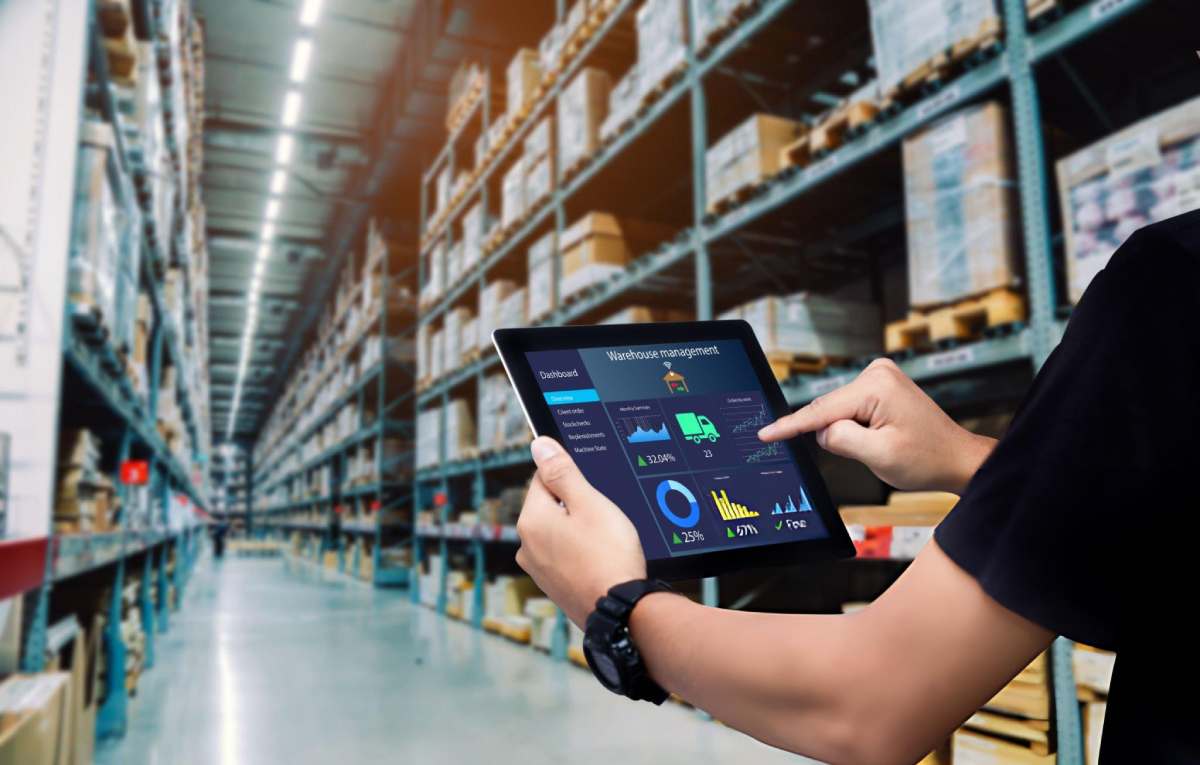
An e-commerce logistics company or brand offers a product or service to its customers. In other words, when a buyer makes an online purchase, the order is packaged, shipped, manufactured, and, in some cases, returned.
Most Common Challenges
Every company seeking to generate a profit margin pursues the same objective: to make its logistics operations more efficient and, as a result, reduce associated costs.
Of course, the greatest challenge lies in achieving this without diminishing customer satisfaction levels, while offering a high-quality and reliable logistics service.
Other Recurring Challenges are Changing Customers
This makes address georeferencing more problematic, as it requires daily route planning based on the day’s orders.
Lack of Visibility to Customers
This feature speaks for itself regarding why it has become so popular. We all like to have a certain degree of control, especially when exchanging money for a good or service.
Offering visibility into order status and allowing customers to track their delivery in real time has become indispensable if you wish to stand out from the competition.
Reduce Costs Associated with the Last Mile
Given that last-mile costs account for approximately 41% of supply chain costs, the urgency, importance, and necessity of reducing these costs are evident.
Technology that optimizes, plans, monitors, and provides detailed information regarding deliveries—as well as their associated costs—can prove critical to the survival of businesses and enterprises.
How to Improve Ecommerce Logistics?
Customers and consumers judge their entire interaction with a brand or business based on the delivery experience.
Therefore, a sustainable logistics strategy must be able to meet customer expectations while balancing costs and resource requirements.
Reverse Logistics
Reverse logistics consists of the management of returns—which can be one of the most challenging aspects for e-commerce sellers.
Given that, according to a study by Red Stag, one in five products purchased via e-commerce is returned—representing a return rate of 20%—experts assert that, to properly manage reverse logistics, retailers must treat the return as a “reverse purchase,” affording it the same care and oversight applied to the original purchase.
Conclusion
In light of the foregoing points, partnering with technology providers that offer greater control over the logistics process can prove fundamental to remaining competitive and relevant in an increasingly demanding and aggressive market.
Drivin is a fully integrated fleet management platform, designed for business owners, that enables them to track fleets, reduce operating costs, and monitor driver behavior.